Sagging Floor Repair in Wilmington, NC
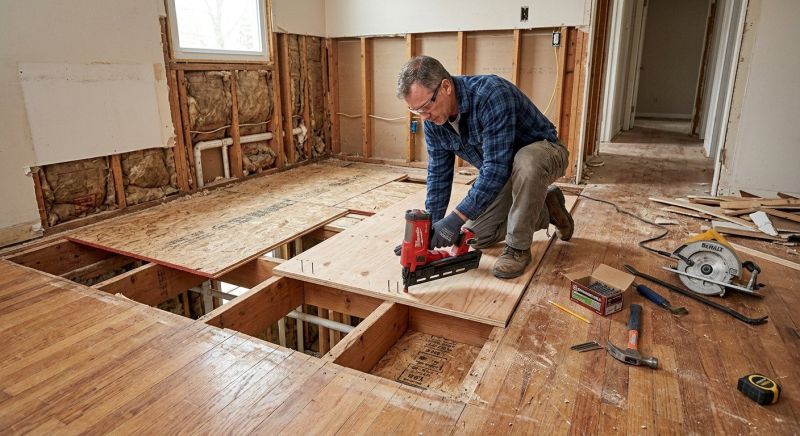
Sagging floor repair services address issues where the flooring in a home or property has begun to dip or sag, often caused by underlying structural problems such as weakened joists, damaged supports, or settling foundations. These repairs typically involve reinforcing or replacing compromised framing components to restore stability and levelness. Projects can range from minor localized fixes in a single room to extensive work across multiple floors, especially in older homes or structures experiencing ongoing settling. Property owners should understand the scope of the repair, the potential underlying causes, and the importance of addressing the issue promptly to prevent further structural damage or safety concerns.
Before requesting sagging floor repair, homeowners usually want to know what signs indicate the need for service, such as noticeable dips, creaking sounds, or uneven surfaces. It’s also helpful to consider the age of the property, previous foundation work, and any visible damage or cracks in walls or ceilings that might be related. Understanding the extent of the sagging and the potential causes can assist in planning appropriate repairs and ensuring long-term stability. Contacting a professional for an assessment can provide clarity on the necessary steps to restore a safe and level flooring system.
Many property owners in Wilmington, NC look into Sagging Floor Repair for repairs, replacements, upgrades, and appearance-related improvements.
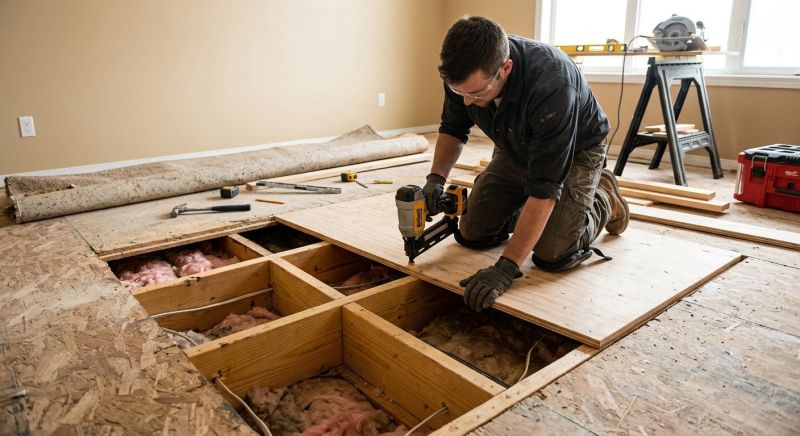
Signs Of A Sagging Floor
Uneven surfaces, creaking sounds, and visible dips indicate a sagging floor that may need repair.
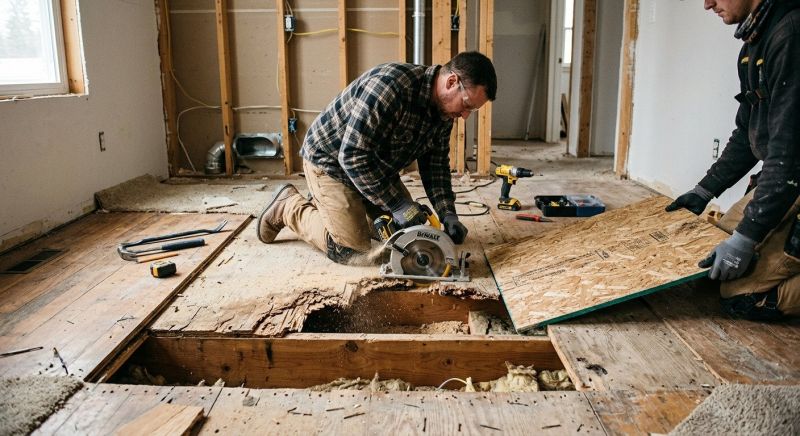
Common Causes Of Floor Sagging
Structural issues, water damage, and foundation settling are typical reasons for floors to sag over time.
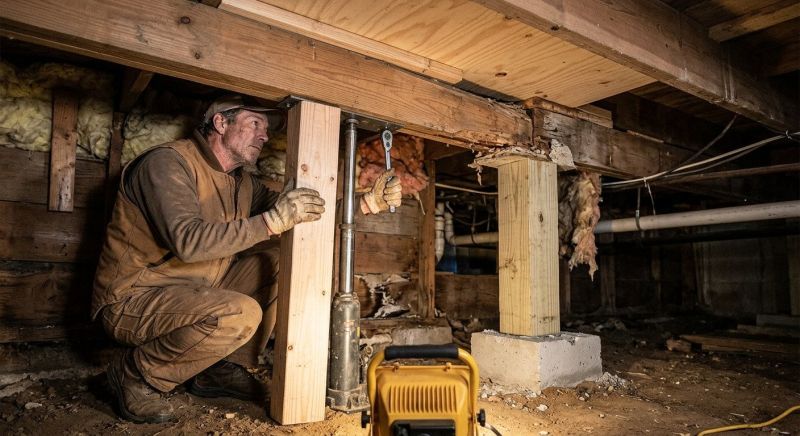
Repair Solutions For Sagging Floors
Reinforcing joists, replacing damaged beams, and addressing underlying problems restore stability and safety.
Sagging Floor Repair in Wilmington, NC
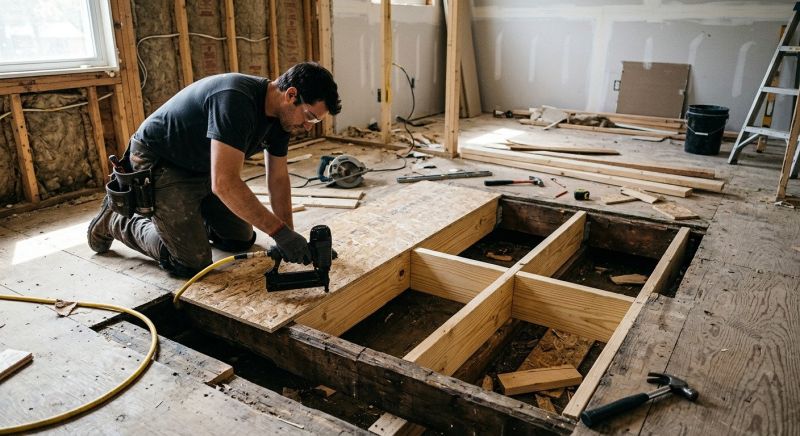
Sagging floor repair services address issues where the flooring in a home or property has begun to dip or sag, often caused by underlying structural problems such as weakened joists, damaged supports, or settling foundations. These repairs typically involve reinforcing or replacing compromised framing components to restore stability and levelness. Projects can range from minor localized fixes in a single room to extensive work across multiple floors, especially in older homes or structures experiencing ongoing settling. Property owners should understand the scope of the repair, the potential underlying causes, and the importance of addressing the issue promptly to prevent further structural damage or safety concerns.
Before requesting sagging floor repair, homeowners usually want to know what signs indicate the need for service, such as noticeable dips, creaking sounds, or uneven surfaces. It’s also helpful to consider the age of the property, previous foundation work, and any visible damage or cracks in walls or ceilings that might be related. Understanding the extent of the sagging and the potential causes can assist in planning appropriate repairs and ensuring long-term stability. Contacting a professional for an assessment can provide clarity on the necessary steps to restore a safe and level flooring system.
Many property owners in Wilmington, NC look into Sagging Floor Repair for repairs, replacements, upgrades, and appearance-related improvements.
Common Sagging Floor Repair Jobs
Floor leveling - addressing uneven floors caused by sagging joists or supports.
Subfloor reinforcement - strengthening weakened or damaged subfloor structures.
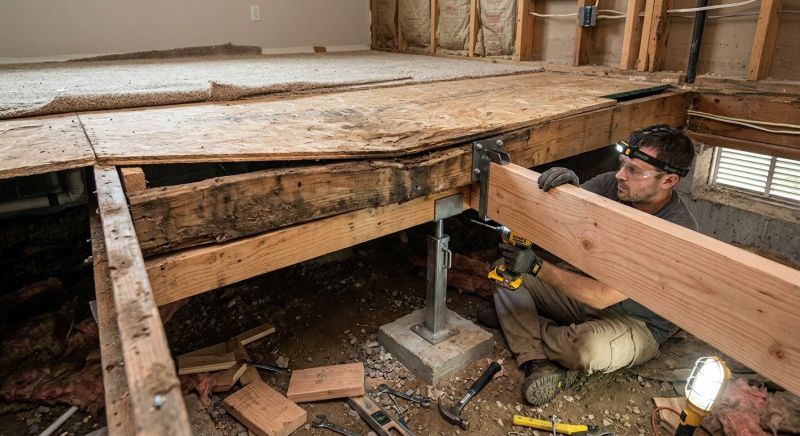
Support jacking - installing jacks to lift and stabilize sagging floor sections.
Foundation stabilization - repairing underlying foundation issues contributing to floor sag.
Beam and joist repair - replacing or repairing compromised beams and joists.
Structural assessment - evaluating the cause of floor sag to determine appropriate solutions.
Sagging Floor Repair Questions
What causes floors to sag? Sagging floors often result from foundation settling, moisture issues, or rotted support beams, leading to uneven surfaces.
How can sagging floors be repaired? Repairs typically involve reinforcing or replacing damaged joists, adding supports, or addressing underlying foundation problems.
Is sagging floor repair disruptive? The extent of disruption depends on the repair method and severity, but most projects are managed to minimize impact on the property.
What signs indicate a floor needs repair? Visible dips, creaking sounds, and difficulty leveling furniture are common signs of sagging floors needing attention.
Request Sagging Floor Repair in Wilmington, NC
Use the quote form on this page to share the basics of your project and request more information for the type of work you need.